Sunday, May 29, 2016

SEEDLING SALE AT PENNERFARM

Pennerfarm

We have some seedlings for sale at the farm!
Quantities are limited.

Vegetable
Variety
Qty/Unit
Price
Note
Tomato
Bush Beefsteak
6 pack
$4.99
Good All Around Large Tomato

Starfire (med size)
6 pack
$4.99
Very nice eating variety

Mary Unger (med)
Sold Out
$1.99
Heritage Variety, new for this year!

Orange Stripe
Sold Out
$1.99
Heritage Variety
Tomatillo
Purple
Individual
$1.99
Heritage Variety
Pepper
Black Hungarian
Individual
$1.99
Heritage Variety

Red Cayenne
Individual
$1.99
Heritage Variety

Orange Habanero
Individual
$1.99
Heritage Variety
Flower
Orange Calendula
Individual
$1.99
Heritage Variety

Angel's Trumpet
6 pack
$3.99
Excellent Deer Repellent!

Morning Glory
Individual
$1.99
Pale Blue blossom
***Only 4 left***

Color-mix Sunflower
6 pack
$3.99
Ornamental Sunflower

Bean
Sadie's Horse
Individual
$1.99
Vining, Hummingbird flowers – large pods

Red Pole
Individual
$1.99
Pole variety, Hummingbird attractor
Broccoli
Green Sprouting
6 pack
$3.99
Forms a full sized-head

Cauliflower
Snowball
6 pack
$3.99
Classic Cauliflower

Talk to us about other produce. It is not too late to start from seed. ***We will even start some produce for you!***

Call us today @ 937-4065 or email 1Pennerfarm@gmail.com

Wednesday, May 25, 2016

Captain Gardener - The Summer Soldier

This week, we have set out to avoid weeding where possible.  We want to avoid weeding all year long but it is a necessary part of gardening, the horrid part!

The pictures below show some of the preparation for the epic weed battle.  If you cover the ground, no weeds will grow.  This leads to questions such as, "How do you use the field?" or, "How do you supply water?".

So what we've done is laid out a mulch (fancy word for barrier) in rows that are 4 feet wide with a 1/2 inch poly pipe laid underneath each row.  Each of our rows in the field are like this, twenty four so far.  The mulch is kind of like a plastic garbage bag on a roll.  You can buy the roll in a few varieties - the best one is a cornstarch product that is biodegradeable, thus tillable.  You do not have to dispose of it.  Ours is not cornstarch based, but it was a gift from a friend to test it's benefits in terms of weed reduction so we're testing it.  It is tough and can handle foot traffic making it great for picking veggies.  It also heats the soil, keeps the vegetables clean and I have found that some of the beneficial beetles and such tend to hang out at it's edges.  As seen in the photos, the mulch is held to the ground with piles of sand placed every 10 feet along the edges to keep the wind from picking it up.

The 1/2 inch poly pipe underneath is used to supply water to the plants.  I've taken the line and punctured it every foot with an awl.  The small stream from each hole brings the water to the plants.  This is my home-made version of a commercial drip-line.  Because we are on a slight grade in our garden, I broke the rows into zones or groups of eight and I can water by zone without losing pressure.  Each drip-line is teed into a one inch header line fed from our irrigation pond.

As for the plants, it is best to cut a small hole (2 inch) in the mulch, dig a hole for the slip, set it in the hole and then push the loose soil tight around it.  This does slow the planting process a bit, but the benefit of not weeding outweighs this time about 20 to 1.

Happy planting!


Thursday, May 19, 2016

Let's talk about the weather...

So it looks like we are safe to plant outside now - the forecast is very stable across this weekend, the May long weekend, and, the full moon is at hand.  Those of you that know, there is a rule of thumb regarding the frost date being after the last full moon in May, usually after the May long weekend (Victoria Day for you royal followers out there!).  This time around I think we've made it past the frost concerns.

In the last 2 days, we have transplanted about 170 tomato plants to our greenhouse.  This year, we have put plastic mulch down with drip line for each row of tomato plants.  This is actually a nice system as the water is only applied at the soil level.  In years past we have used overhead sprinkler lines with miniature sprinklers placed every five feet along the line to water the produce.  This can cause some minor issues, such as soggy plants when you are trying to pick veggies or even causing the plants to fall over when they are young as the water can be too heavy on the plant.

We have seeded carrots and beets as well as planting some red onions, shallots and Yellow Globe onions today, so things are progressing well.  In the hothouse, the lettuce and cabbage is really growing well!  Tomorrow if all goes as planned, we should be able to transplant some peppers into the greenhouse and do a final harrowing of the field before we lay down the drip line and mulch in that area.  Once that is done, the field can be used for the rest of the veggies.  Summer is coming!


Thursday, May 12, 2016

Seedlings for sale


We have some seedlings for sale at the farm!
Quantities are limited.

Vegetable
Variety
Qty/Unit
Price
Note
Tomato
Bush Beefsteak
6 pack
$4.99
Good All Around Tomato

Starfire (med size)
6 pack
$4.99
Nice eating variety

Mary Unger (med)
Individual
$1.99
Heritage Type, new for this year!

Orange Stripe
Individual
$1.99
Heritage Type


Pepper
Black Hungarian
Individual
$1.99
Heritage Type

Red Cayenne
Individual
$1.99
Heritage Type


Flower
Orange Calendula
Individual
$1.99
Heritage Type

Angel's Trumpet
6 pack
$3.99
Excellent Deer Repellent!

Morning Glory
Individual
$1.99
Pale Blue blossom


Bean
Sadie's Horse
Individual
$1.99
Vining, Hummingbird flowers – large pods

Red Pole
Individual
$1.99
Pole variety, Hummingbird attractor


Thursday, May 5, 2016

Part 4 - Heat Controlled Planting Bed - Results!

This week has shown some grand results!  The carrots planted in the heated bed are growing very well.  Consistent in growth, size, density and prompt germination.  Using the same carrot seed in the control bed with no added heat, the seed has not germinated as quickly (first sprouts were 3 days behind the experimental bed), the sprouting is inconsistent with less seed germinating per unit area and the sprouts are somewhat spindly in the control bed.  Of course, both these beds are in the greenhouse; it would be a bit early to get going outside, though not impossible I suppose, but I am pleased that the seed did so well!  There are three varieties in the beds for comparison:  Imperator Long, Imperator Heritage and Scarlet Nantes.  Of the three, Scarlet Nantes germinate about a day later than the Imperator varieties.

In the meantime, we have transplanted lettuce and cabbage, sown beet seed, Mesclun lettuce and other things like Soup Celery, Morning Glory and Money Plants. (Really hoping for something here!) 

We will have some of the plants for sale soon, watch the Facebook page for a sale notice. 

Here are a few photos to show the growth!


Thursday, April 28, 2016

Steady on

This is a quieter week in terms of activity to write about on the veggie front.  Many of the varieties have been in the soil for a month now - seedlings all over the place.  The earliest to plant are the varieties that need the most development prior to being set out in the field or cold frame, such as tomatoes, peppers, onions, lemon grass.  A few other things that I have started are lettuce, cabbage and of course, the carrots have been set out to seed this week in the experimental heated planting bed (see last week's post).

With regard to the heated bed, I have experienced some minor setbacks with the heat source (furnace) being the culprit 3 out of 4 times - the other time was my own fault, forgetting to check on the fire and it went out.  I have been tracking and recording temperatures several times daily, so I will be able to plot results in a more visible graph method.  So while not too much vegetable activity is required, we have been doing spring cleanup in the yard - deadfall and firewood cleanup, last year's pots and such that didn't make the trip back to storage...all the usual things you would find after winter.

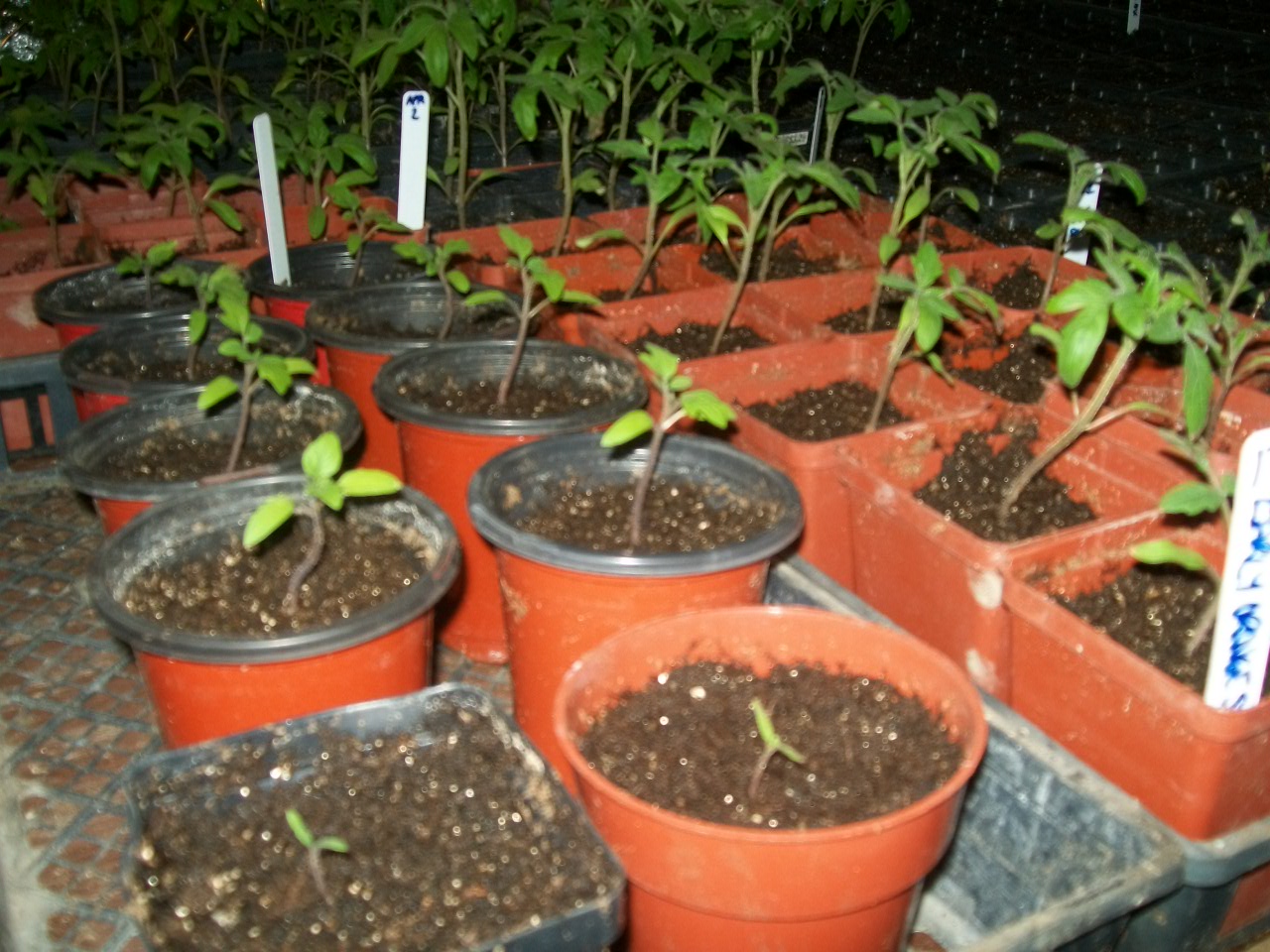
Here are a few photos of the seedlings - a glimmer of hope that summer is coming!


Wednesday, April 20, 2016

Part 3 - Heat controlled planting bed

Over the weekend, I was able to complete the plumbing of the heating system in the new Hot House.  Once I had the system assembled, I connected the hot water from our wood stove and checked for leaks. Only a couple, but quickly fixed. It was mid-afternoon and a heavy rainstorm was moving in so I wanted to be sure that everything was working to save being out in the rain doing final connections.

So the bed temperature was only a few degrees above 0 C, and the water coming in was around 50 C. In about 16 hours, the soil mass had increased in temperature to about 14 C. Stoking the fire, I got the water temperature up to about 70 C and while the cold weather Sunday and Monday passed, the heat mass of the planting bed seemed to be stable, but too cool for what I had planned, to be able to control the temperature around 24 C. However, I did add 80 litres of ice-cold water to the bed in that time and the heat had to rise up through 45 cm of soil - this would make the heat up time a bit slower.

So Tuesday and Wednesday have been much warmer and the furnace water has been coming in at a more regular temperature range, 60 to 75 C, depending on the state of the boiler. Tonight, the bed temperature has exceeded 24 C and is at about 32 C! So it is a very slow process to heat the soil in the planting bed, but with a bit of ambient heat gain, it has warmed the bed nicely and is holding well.

Observations will be kept and by Saturday, I should be able to put the carrot seed in place both in this heated bed and the control plot in an unheated bed. I will post the results as the carrots start to sprout!