Friday, June 2, 2017

June on the Farm

We've had a socially busy month with planning and prepping for a wedding in our back yard on the May long weekend, so now it is back to the grind and time to update on the gardening - field and greenhouses!

Things in the Hothouse are growing well.  Today we opened up the plastic wall as there is a forecast high of 28 degrees which could become a bit to hot for the lettuce without some major ventilation.  It seems each bed has a uniqueness about it, maybe it is just the vegetables being in different locations since last year - we've modified location to capitalize on the hotter or cooler zones of the Hothouse for each vegetable type.

The greenhouse is nearly full of tomato, pepper and cucumber transplants.  We've also added a wall of peas and a group of tomatillos in the greenhouse as we've pared back on the variety of tomato plants and have that bit of space to use.  Last year of our four varieties we had a tomato variety called "Early Orange Stripe" that seemed to dominate the other tomato varieties.  It's orange striped top characteristics blended by Open Pollination and gave the Earliana Tomato variety some orange striping.  Quite amazing what will happen with the varieties in this way.

The field is now full of seeds and bulbs.  The field has not been used much until this year so we will be tending to alot of weeds and leftover grass clods in order to keep the things we planted from being crowded out.  We have already run a cultivator between the rows to knock down the weeds and may have to do this every week for the next while.

Our chicks are growing as well - 25 days old and rambunctious!  These will be our new egg layers in another three to four months.  The birds are Columbian Rock Cross Red.  They are a heritage breed and generally speaking are quite calm and are a bit larger than the average egg layer.

So for now, things are status quo.  Enjoy the photos!
Lettuce 

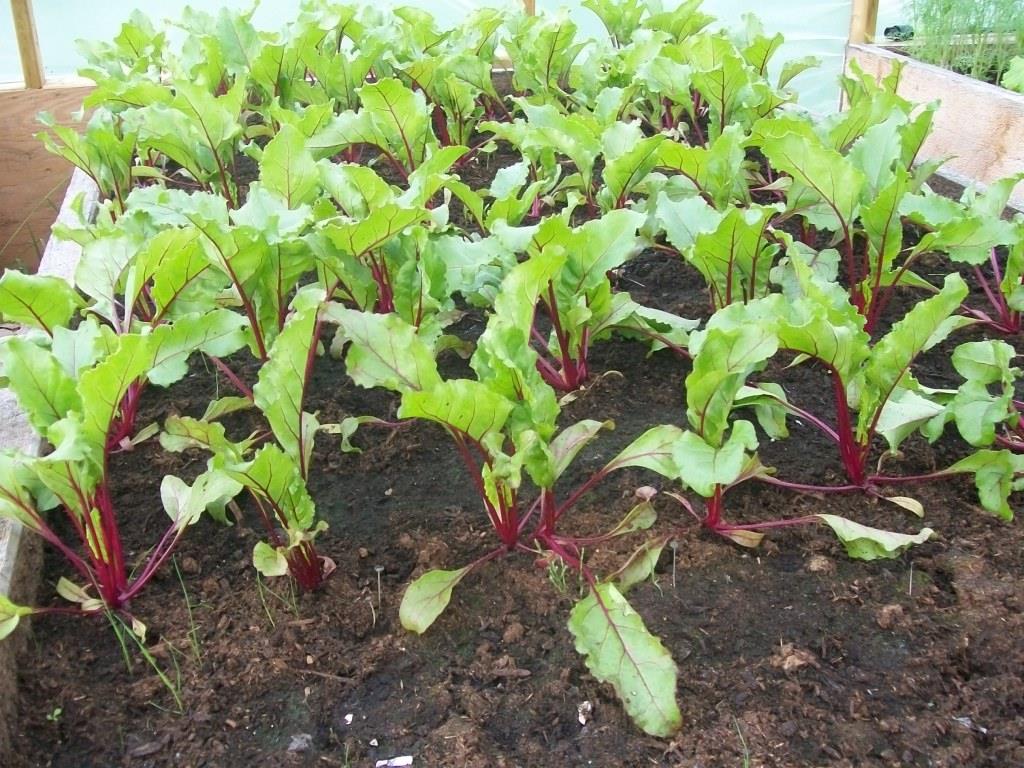
Beets 


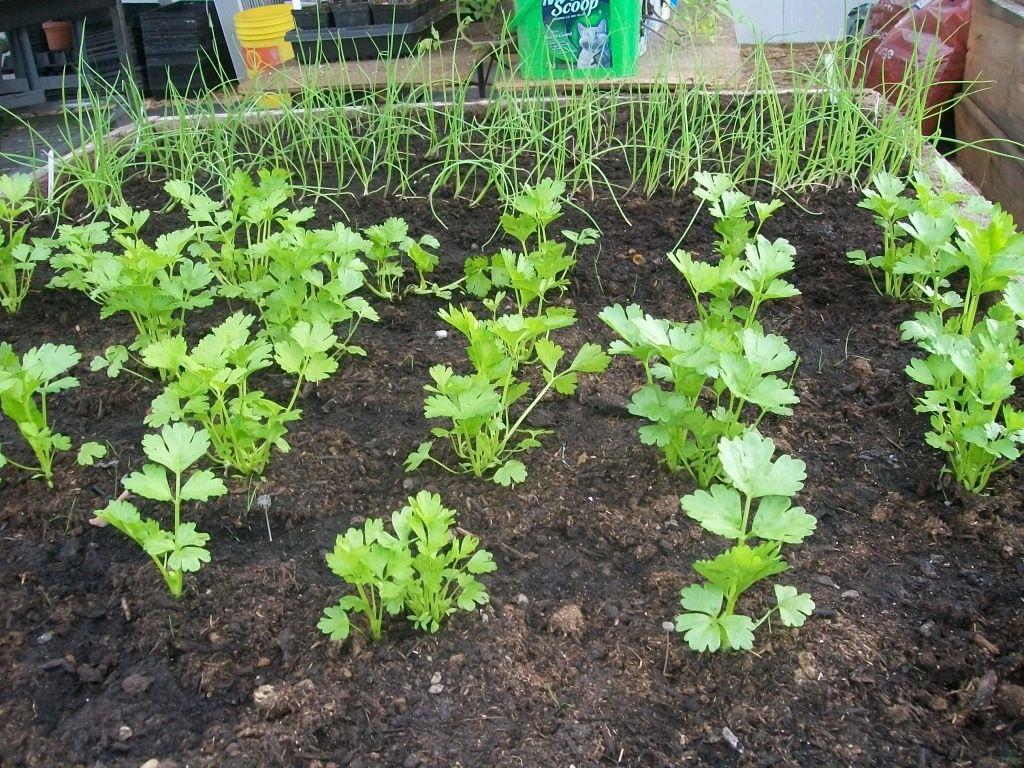
Celery and Organic Red Onions

Greenhouse tomatoes and peppers

The new field

Potatoes

Spanish Onions
Chicks at 25 days old
 

Sunday, May 7, 2017

May in the Hot House

So here we are in May, already a week in.  The produce start is slow, or at least, it seems slow to me, party due to the last two weeks of looking at snow, the storm that hit us with the scale of a winter storm - 10 inches of fairly heavy snow, then another 5 inches of lighter fluffy stuff for the following days.  It took a week to melt; there are still patches of snow in the shady parts of the woods!

We have started several crops in small batches, less our tomato plants of which we have planted all we want for the year and these are already transplanted into three inch pots, about 125 plants in all.  Otherwise, we have lettuce, beets, peas, peppers and cucumbers, three types of bunch onion, our delicious Lemon Grass, some herbs and some flowers in trays ready to be planted any time.

Yesterday gave opportunity to put some climbing pole beans in a small plot beside the house where the house creates a warmer micro-climate.  This year, we chose the Annie Jackson bean, a really nice looking burgundy and cream colored bean, perfect for drying and storing into winter.  Today's tasks included some more transplanting, watering, tilling the cold-frame greenhouse and working some of the ground in the new field with the tractor and plow.

We will post in the next few days as things start to ramp up with the warmer weather coming.

Herbs and Lettuce

Lettuce

Radish with Cukes in background


Head Lettuce

Beets

Tomato Transplants

Homesteader Peas

Morden Early Cucumbers

Monday, February 13, 2017

Start of a New Planting Year

Penner Farm from the air
Since my last post in late August, the farm took a different track from what you may expect.  Amazingly, there is still much going on after the growing season ended and the last of the vegetables had gone to market!  Stumping and plowing was done in the new planting area, old fire-piles were picked apart and spread out to return the carbon to the soil.  Horses were moved to the now vacant vegetable garden to do weed control and a bit of fertilizing, greenhouses were cleaned out and irrigation systems were put away for the winter.

We attended several late season markets with other products we have been carrying.  Preserves, bread, kitchen-based woodwork and some very late season produce which included our successful crop of Flaming Orange Habaneros!  These hot and beautiful peppers were worth the six and one half month wait!  We used some of them to create a superb appetizer product, Pineapple-Habanero jelly.  This can be used with crackers and cream cheese.

Now that February is here, I have been going through seed inventories, seed catalogues, notes from the 2016 season on things which we felt were important (products to add to our line, products to not bother with again) creating a summary report that will help us get the best things to market for next year.

Another project I have been looking at is deer-resistant fencing.  Because I am moving the operation to a new space, I realize I am into an area that a family of deer pass through on a daily basis.  I need to divert the path of these deer from the new field, while giving them an optional path to travel and still keep them out of the vegetables.  A day of on-line browsing for fencing was in order last week.  It seems that the best product may be a plastic mesh type fence.  It requires the least amount of labor to install and it is strong while still being light-weight.  It can be fastened to existing trees or you can install posts where needed.  Of course, I will need gates to access this space once the fence is up, so a few posts will be in order!  I will post this project when it starts.  Be prepared for a new route, deer family!


Thursday, August 18, 2016

My Summer Project

Apart from a more commercial take to gardening, I had a space in the yard near the house that we had tried to grow grape vines in.  It seemed to be good for the first two years until winter got the upper hand on things and the vines died.  To be honest, they had not gotten very large, the weeds had tried to choke them out on more than one occasion and there was only three plants to begin with.

I decided to take the little area and re-use it for something else.  I ran the roto-tiller through the area, creating a spot about 4 feet by 10 feet.  I added some peat moss to loosen this soil being it was high clay content and then planned out 3 rows.  The two outer rows for pole beans, the center for a row of corn.  I built 2 frames on which to string up some twine for the pole beans, assembled them and set them in the ground.  The frames are about 6 feet high and 8 feet long.

So the one row is a specialty heritage bean called and Annie Jackson.  It is the type of bean that you let dry on the vine then hull the pods and save the bean seed for making baked beans.  They are a mottled beige and burgundy bean so they even look nice as a kitchen display when put in a sealer jar or the like.  The other pole beans are a purple pole bean, good for eating as a string bean, but they grow quite large, almost ten inches!  They don't seem to get tough and being the purple variety, they turn green when you cook them.  Also, I filled in the last few spots with the Sadie's Horse Bean, a Hummingbird attractor with white and red flowers that makes huge pods at maturity.

In the middle, we ran a row of ornamental corn from a leftover seed packet.  It is going well, with the tallest stalk being about 8 feet high!  Since the beans can fix nitrogen into the soil they are a complimentary crop for corn which is a high nitrogen consumer.  I think this is what has caused the enormous growth for the most part, though it is all close to the house and that may be boosting the daily heat levels.  Well enough write-up, I will add some photos to help explain our project that anyone can do with any number of pole bean and corn varieties.  Happy gardening!

Our son at 5'11" picking the purple beans.

Annie Jackson side.

Purple beans and Sadie's Horse Bean side with the corn towering over! 

Sadie's flower and pod.

Purple bean!

Early pod and white flower of the Annie Jackson.

Thursday, August 4, 2016

Always a Job to Do

The last few days we've been repairing the old horse trailer. Lots of rusted out pieces in the front of the trailer so we cut them out and replaced them with plywood panels. Also ran new electrical front to rear and did a bit of welding, riveting and such to fix up some other things like the tack manager door and loose wall panels. There are still a few things such as the fenders which will need replacement, a good scrub and a coat of paint, but it is now functional for the rest of this season.

A short post today, the photos show alot of what is done.

Old fenders and new tires

Wiring renewal

Old sheet steel removed

New manger deck

Repaired Tack Manager door

Tack Manager Floor

Heyday...Hay Day...Hay Week!

Last week we were busy cutting, raking and putting up hay for the winter.

A generous neigbour offered his field of about a six acre size.  The field is unused for the most part, though he said he ran a brush hog through it about 4 years ago.  Quite a few ant hills, lots of little alders or willows and the East end of the field is very wet, though not muddy.  The grass content is low and the weed content high since it is not managed.

I started out cutting the West end and ran into all kinds of issues with the thick undergrowth and some poor mower maintenance on my part.  After taking the contaminated oil out of the slip clutch on the mower and realizing the need to run the mower at a higher RPM, things worked a bit better until the wooden pitman arm broke.  Thankfully, I was able to make a new one quickly in the shop, replace the broken one and carry on.  After that, it was all about learning the grasses, watching the changes in it and listening to the mower labour.

Raking was easy, but needed to be done over 2 days since mowing was done in 2 batches.
We loaded all this raked hay into the wagon by hand as we do not yet own a baler.  This will probably be OK in the long run as a baler would have been hard to run in this field where it was wet.

We have a line on a baler but the current owner is on vacation and we have not been able to make the purchase.  In the meantime, we did buy an old hay elevator (designed for bales) and have it good running order, ready for use.  With loose hay, the elevator is not the right piece of equipment except that I have made a special bucket which loose hay can be put in and sent up the elevator.  We will be trying this in the next day or two, hopefully it will do what we want.

The hay that we have brought home already we just dumped in the main level of the barn.  We will handle it again to get it upstairs but this will ensure it is turned and dried as we don't want it to go mouldy.

In the end, we brought home 11 loads of loose hay, somewhere around 3 tons!


Thursday, July 21, 2016

Did We Go Dark? Not Really - It's Been Busy!

I have not posted as regularly through July, so I wanted to get the web presence back in order.

Photos tend to fill in alot of what I could say, so I will add a collage but I will say that the tremendous amount of rain we've received in July so far is incredible, maybe not record breaking, but incredible.  As of today, I have collected about 189 millimeters of rain in my rain gauge.  A friend of mine said that the average rainfall for July in Dryden is about 100mm, so we are WAY over average.  For most things, the rain has been beneficial, but for my meticulously planned field of veggies with the mulch and dripline to maximize growing, things have gone poorly!  Almost every cucumber plant has died, a majority of the squash is gone and all but 2 of the Purple Tomatillo plants have withered.  Ironically, the weeds still find a way to push the mulch out of the way and thrive.

On the upside of the farm, the greenhouses are doing well.  A few sessions in with the tomatoes keep them in good shape, peppers are flowering and fruiting now and the carrots and beets look good.  In my mechanically seeded carrot plot the carrots are thriving and should be market ready in August.  The potato field is ready with lots of delicious new spuds!  Finally, the late planted Brassicas (Cabbage, Kohlrabi, Cauliflower and Broccoli) are surviving and starting to produce.

We have been at the Cloverbelt Country Farmers Markets since early June, meeting with customers and like-minded vendors - it's been a great summer so far!

Below is a collage of photos that give some perspective of July at Pennerfarm and the Cloverbelt Country Farmers Market!

Loading up for Market

Veggies and weeds...

Tomato vines!

Heritage Tomato 

Hungarian Hot Peppers!

Lemon Grass, Beets, Herbs.

View from our booth.

Setting up our booth!

Our Early Veggies.

Across the booths.