Friday, April 27, 2018

Out West in the Canadian Plains


I might consider this a bit of a "cheater post", however it was really exciting to see where some of the big farms are and to get a bit more scope on feeding the world.  

To see the vast expanses of grain farms, going literally for hundreds of miles along the highways in Manitoba, Saskatchewan and Alberta was really eye-opening.  Of course I realize that my acre or two can sustain more than my family for a few months, but when you consider Canada alone, at a population of 36 million people, the field sizes out west start to make sense.  On our trip, we also saw the beginnings of the season in Eastern Saskatchewan and Western Manitoba where farmers are already positioning equipment, harrowing fields and getting ready to sow seed.  Once again, the scale of the operations are extreme.  I pull a six foot wide disc harrow, these big machines are pulling anything from an 18 foot to 60 foot wide cultivator!  To add perspective to all of this, visiting the Reynolds Agricultural museum in Wetaskiwin, Alberta and seeing the 100 year old technology they used to do field work is very humbling.  We've advanced technologically alot in 100 years!


We also noticed the great number of cattle farms.  Being mid-April, the calving season was in full swing.  We saw so many new calves we lost count, and we were only scratching the surface in terms of seeing farms.  We visited one small farm in Claresholm, Alberta and got the up close and personal of that operation.  The owner said that the calving season seemed to be delayed which was a blessing in disguise as southern Alberta got a horrible snowstorm around April 9th.  This would have killed any newborn calves.  All his calves were born around the 14th and on - he was waiting for three more on the 21st.

Scenery in the west is amazing when you're used to forested areas.  True, a field is pretty plain, but there are more rolling areas of Saskatchewan than one expects, so we did experience a really amazing side of the great plains.  Will leave a few pictures for you to view.  Back on our farm, the work is about to begin.  Stay tuned!


Tuesday, March 20, 2018

Chickens And Eggs

To get a real feel of farming, you need to have farm animals of some type.  Possibly the easiest animal to start with is a chicken.  And wouldn't you say seeing a chicken poking around the barnyard just really makes the farm feel like a farm?  Or a rooster crowing in the morning as the sun comes up?   Oh yeah, I can feel it...

We got chickens from a public school project about 6 years ago.  These chicks were an egg incubation and hatching experiment done by some students.  The neat thing about it was that the eggs were from different hens and the chicks that hatched were of about 6 different breeds.  Donated by a local chicken farmer, the students had a great time watching the eggs crack, open and the little chicks develop in the first week.  This is when we got the chicks, at about 5 days old.  We were pretty excited to get the chicks but also did not know what to expect.  So we started with a fairly large wood crate, about 2 x 3 feet in size.  We bought a heat lamp, thermometer, chick starter feed, a waterer and put it all together.  We also got ourselves a book called, "Raising Chickens for Dummies", an excellent resource for anyone.

As the chicks grew, it was apparent they needed space so we built a coop and an outdoor run; it was a ramshackle space inside our equipment shed that we eventually insulated and closed off to be the coop.  We opened up a small hole in the wall so the birds could move between the outside run and the coop.  This lasted for one year until we realized that having a number of hens with a daily collection of eggs might be even better for us.  So we bought 25 chicks from a distributor and moved the whole issue into our brand new barn.  We designed our barn to house about 60 birds in the coop area.  With outside access to the coop, an inside passage from the coop to the feed storage room, high efficiency lighting, good R20 insulation and a large window, we have an ideal chicken coop.  We have since bought two more batches of laying hens, currently settling on the Plymouth Rock Cross Reds as a durable, calm and hearty breed.  They are such a classic looking bird, mostly white with a few black accents and small combs.  One rooster is in the mix as we've found having a rooster in place keeps the hens a bit calmer.  Somehow he got named Fred.  The original group of chicks all got named by the kids at the time; amazingly we still have 4 of the originals.  So here's the names - William, Henrietta, Jet and Soup...yes Soup.  Chicken Soup!!

Though it is a daily set of chores, hanging out with the chickens at feeding time is quite relaxing and very entertaining.  One starts to realize there are birds with character and you can count on the daily shenanigans.  We have a jumping hen who launches herself at the door when we take the feed in.  Not sure what her intentions are but she literally jumps against the door as it is opened.  We have a nesting box inspector who needs to "supervise" when eggs are collected.  She follows the egg bucket closely, often standing tall to peer into the nesting boxes.  We also have a hen who will "escape" from the outside run if we aren't there by 5 in the afternoon to feed the flock.  She wanders down the barn lane, waiting to see if we are planning to feed the crew.  Yep, those chickens are a whole lot of fun!


2 Weeks Old

4 Weeks Old
A Rooster named Fluffy!

Our first flock at 4 months.

Wednesday, March 7, 2018

More Thoughts On Land Clearing

The last time I spoke on land clearing was just over two years ago.  We have done some actual clearing and subsequent soil preparation for planting in 2017, but it seems once you get the clearing bug, it's hard to stop.  So in the last weeks of February, I headed back out to the new field area and have cut down a small cluster of trees that were like a "last stand" for the area.  The trees are useful as firewood, especially the spruce and poplar, but the Balsam Fir is miserably sticky to handle, even in the cold of winter with the resin flowing endlessly, it seems.  So down those trees went and now I am slowly piling the wood up in the shed to dry over summer.  I now have a usable planting space nearly 2 acres in size once the stumps are removed.


The interesting thing about the ground in this area of our farm is that it is a transition zone between a very orange sand, hard clay and silt.  The goal is to get this stuff mixed up over a few years of plowing and general soil management.  Already last summer I was able to move some of this sand around into the clay sections.  Because it's located on a slope, the sand has a tendency to travel downhill so mixing the soil and letting it winter is always beneficial.  Plowing before winter allows the clay till to crumble and this in turn allows easier mixing of the sand during the spring harrowing.  We will see how well it does.  A heavy summer rainstorm can find loose sand in a hurry, especially on a hill.

It's quite exciting in many respects.  This last bit of clearing gets the sunshine into the space earlier in the day with less spot shadowing.  The unfortunate part is getting the morning sun to this hill.  The hill faces West!  I've been told not to worry about it as the evening sun can be more beneficial overall, holding the heat level until sundown.  Perhaps some careful record keeping on my part could give way to some answers regarding the hill facing West and how much difference it makes.  I might have to follow up on that!


The upper photo is taken from the South corner of the clearing; the bottom three photos are taken looking back at the last clearing from the North corner.  To note, the dogs insisted on being in the photos!

Monday, October 30, 2017

Switching over to winter activity

It seems to me that I must have had alot to do with the addition of haying this year.  Noting my last blog post date and the topic that it was, I draw this conclusion. :)

As we removed the last of the produce from the field, greenhouse and hot house, it was clear that this summer was not as warm as last.  The Sweet peppers were the biggest indicator with only a few plants producing full sized peppers, followed by the potato plants not growing into large spuds.  This was noted across the area by several of the vegetable producers.

Wintery weather hit us October 26th and 27th, with near 10 inches of wet snow falling across the region.  This curbed any further work out of doors and shifted tasks to many of the indoor ones.  So on the schedule now is getting some woodwork done for market stock.  With the help of my daughter we are coming up with different ideas for our usual stock and hoping these items will appeal, especially as we head into the Christmas season.

Over the Remembrance Day weekend, the reality of a wet and early winter came to visit with the collapse of our large greenhouse.  It seems that with the existing plastic having been a bit torn in places, the snow load was uneven and the whole unit went down like a set of dominoes.  I have a pretty good idea of what I will be doing in April next year!


In the meantime we will be attending markets to sell Christmas gift ideas.  One major market left at the Oxdrift Hall on December 9th.

Wednesday, July 12, 2017

The First "Field Test" of the No. 45 Hay Baler

Dodging rainstorms.

This seems to be the only way to make hay this summer, dodging rainstorms.  When the best possible forecast is given for the bit of haying we want to do, a sudden cold front sweeps across the area and another half inch of rain falls on the haying job.  But we persevere, waiting patiently for the sun to dry things out.  So we started off this week with an actual baling run in the neighbor's field and baled up about 90 bales of mixed grasses.

Until this time, we had only been able to "barn-test" the baler by pulling a large round bale apart and feeding it by hand into the cross conveyor section of the baler.  This was a good exercise as it allowed all portions of the baler to be checked for proper operation, after many evenings of maintenance and general care.  From the large knife on the plunger that makes the sliced edge of a square bale, to the amazing knotter assembly that has to be able to tie each bale up or the pickup system that takes the hay off the ground and feeds it to the cross conveyor, this is really quite an amazing piece of equipment.

The field we baled was very wet during the cutting and raking sessions.  With a few sunny and windy days, the standing water was gone but the ground was still soft.  The baler sank it's wheels several times and the tractor had it's work cut out for it, both pulling through the soft ground and powering the baler at the same time.  It was a lot of work!  As we started baling, the hay wagon was also being pulled behind the baler to minimize the work of handling bales as the bales slid up the bale chute right onto the hay wagon.  As the wagon started to fill, the load became too much for the tractor and the balance of the job left the bales on the ground to be picked up by hand.

So a few photos and a link to a video of the McCormick # 45 hay baler at work below.

 https://www.youtube.com/watch?v=xI8FM4hG4k4


Working along the windrows

Looking back over the baler

Hay rake

Hay going into the mow

Hay elevator in the mow door


Friday, June 30, 2017

Aside from vegetables...

The last 2 weeks have been quite wet and not alot of activity out in the field, except for the occasional inspection to see if the vegetables need flotation devices to survive the rain!

In the meantime, we have been preparing for the haying season.  We were hoping for an early cut in June to allow a possible second cut in late August but again, the rain has caused a delay.  So while the showers were keeping things well watered, I puttered in the barn, preparing the old hay baler for this season, servicing the mower and rake but also took on a project of essential need.

Enter the hay wagon!  It came to our farm as a old, rotten item, needing alot of care.  The first order of business was to remove the rotted hay deck.  It was so deteriorated, there were mushrooms and fungus growing on the cross beams!  Using the chainsaw, we cut the decking apart and put the rotting wood right on the fire-pile.  Not one piece of it was worth a second look.  From there, we inspected the steel, the wheels and the steering gear.  All seemed in good order, so we set it in the back yard laydown area for the winter.  With a little research on the internet, this wagon would appear to be a Model 19 Farm Wagon, made by the New Holland Company.

So a few weeks ago, we pulled the wagon frame out of storage and got to work.  Scrubbing down the frame for a fresh coat of red paint, cleaning the wheels for a complementing coat of yellow paint, the wagon started to look more appealing.  The next step was to engineer the bunks and rails that support the hay deck.  The bunks have adjustable brackets to accommodate a number of different configurations while the connecting bar between the axles allows for variation in length.  We chose to set the bunk brackets at 4 feet apart and the axles at about 9 feet apart.  This allowed us to build a 6 foot by 12 foot hay deck which will hold 20 bales per layer, possibly 4 layer high.  Of course, we had to consider the weight of such a load of hay.  With 80 bales at 50 pounds per, we are in the order of 2 tons of hay.  When the wagon is connected behind the hay baler, the tractor is going to be taxed, pulling both items at the same time!  The baler is in the order of 2500 pounds or about a ton and a quarter.  So we will see how it all goes in the field.  True to the term, we will be "field-testing" the equipment!

Back to the hay wagon, the rails on top of the bunks were made out of 2x8x12 all weather wood.  We coated them with the same red paint as the frame to keep things looking uniform and fresh.  We had to consider the front axle wheels and how they meet the rails; so some tracing of the top of the wheel surface was applied to the rails to do some trimming, ensuring the wheels never contact the rails during use.  Once that was done, we applied an all weather wood deck, a rear rack to hold the load steady and sealed the cut ends of all the wood with stain, maximizing the wagon's weather resistance.  So now it is ready to test.  We will post the haying activity as it happens!

7am lens flare shot of the wagon

Hay Wagon
Model 19 Farm Wagon Service Parts Catalog


Close up of the front wheel and rail

Friday, June 2, 2017

June on the Farm

We've had a socially busy month with planning and prepping for a wedding in our back yard on the May long weekend, so now it is back to the grind and time to update on the gardening - field and greenhouses!

Things in the Hothouse are growing well.  Today we opened up the plastic wall as there is a forecast high of 28 degrees which could become a bit to hot for the lettuce without some major ventilation.  It seems each bed has a uniqueness about it, maybe it is just the vegetables being in different locations since last year - we've modified location to capitalize on the hotter or cooler zones of the Hothouse for each vegetable type.

The greenhouse is nearly full of tomato, pepper and cucumber transplants.  We've also added a wall of peas and a group of tomatillos in the greenhouse as we've pared back on the variety of tomato plants and have that bit of space to use.  Last year of our four varieties we had a tomato variety called "Early Orange Stripe" that seemed to dominate the other tomato varieties.  It's orange striped top characteristics blended by Open Pollination and gave the Earliana Tomato variety some orange striping.  Quite amazing what will happen with the varieties in this way.

The field is now full of seeds and bulbs.  The field has not been used much until this year so we will be tending to alot of weeds and leftover grass clods in order to keep the things we planted from being crowded out.  We have already run a cultivator between the rows to knock down the weeds and may have to do this every week for the next while.

Our chicks are growing as well - 25 days old and rambunctious!  These will be our new egg layers in another three to four months.  The birds are Columbian Rock Cross Red.  They are a heritage breed and generally speaking are quite calm and are a bit larger than the average egg layer.

So for now, things are status quo.  Enjoy the photos!
Lettuce 

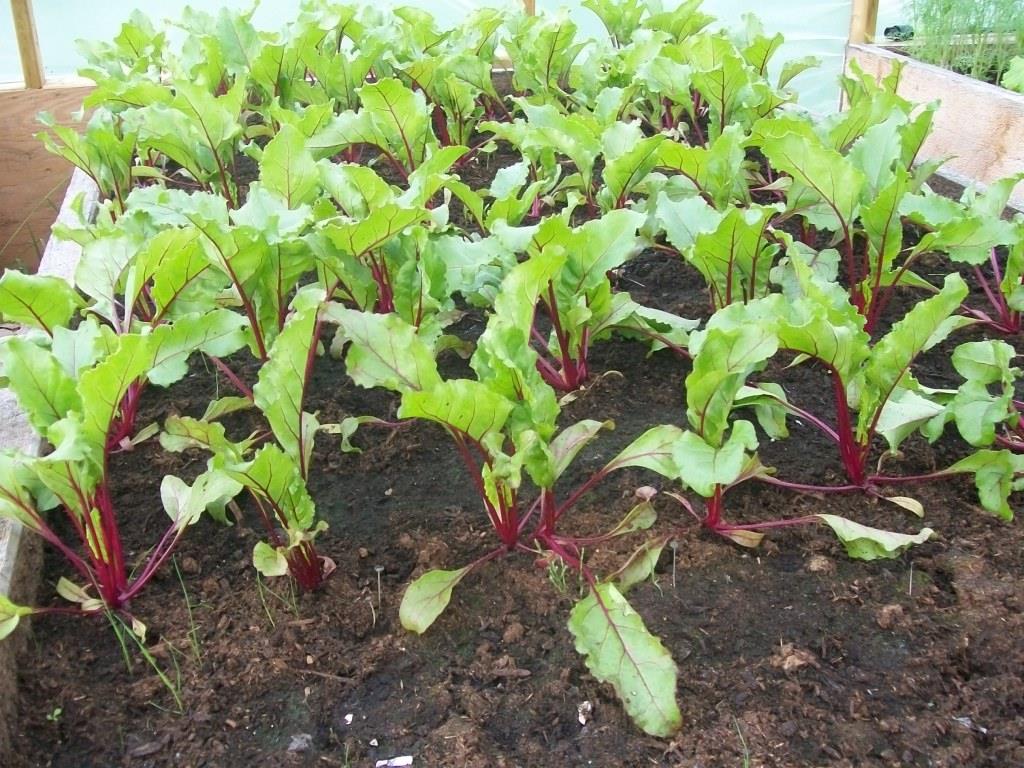
Beets 


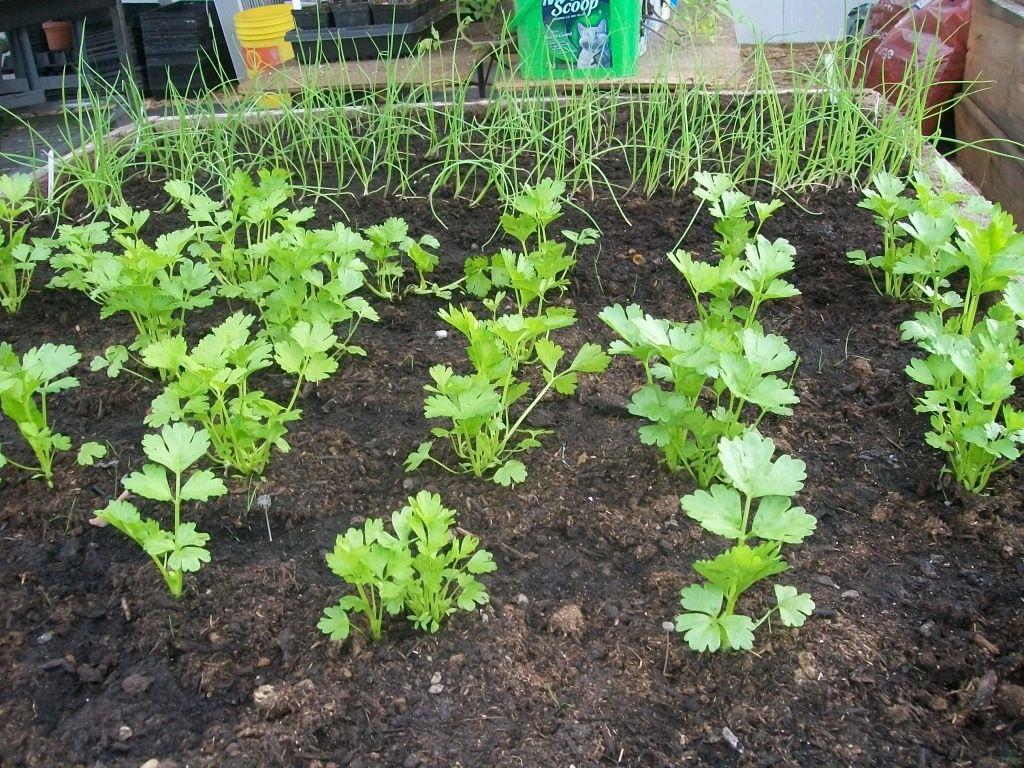
Celery and Organic Red Onions

Greenhouse tomatoes and peppers

The new field

Potatoes

Spanish Onions
Chicks at 25 days old